Loading…
Complete Guide to Event Staffing, Crowd Management & Event Support Services in Abu Dhabi (2026)
A practical guide to event staffing, crowd management and on-site support in Abu Dhabi — ushers, registration, VIP guests, queues and event-day operations.
Back to blog
Vulture Events Team12 min readEvent Planning
A well-designed Abu Dhabi event can still feel messy if the people on the floor are unprepared. Guests remember the first person who greets them, the length of the check-in line, whether someone can answer a simple question, and how smoothly they move from drop-off to their seat. Production, décor and catering matter. Event staffing is what holds those pieces together while people are actually in the room.
This guide is for corporate teams, agencies, brands and organisers who need practical event support in Abu Dhabi: ushers, registration staff, crowd and queue management, VIP guest handling, promoters and event-day operations. It is not a venue shortlist. If you are still choosing between islands, malls or hotels, use our Abu Dhabi event venues guide first, then come back here to staff the guest journey.
Why professional event staffing matters
Abu Dhabi events often mix visiting executives, local stakeholders, families, media and, at public activations, people who did not RSVP. That mix changes the work. A conference arrival wave is different from a mall sampling queue. A gala seating plan is different from an exhibition hall with multiple doors.
Professional event staff protect three things at once: first impressions, operational control and host attention. When registration is slow, the programme starts late. When nobody owns a bottleneck, guests invent their own routes. When briefing is thin, staff look busy but cannot help.
Good staffing is visible in small moments. Badges are ready. Directions are consistent. Queues have a shape. Someone knows who to call if a VIP arrives early. The host can stay with guests instead of managing the door.
Types of event staff businesses may need
Most briefs start with “we need staff.” The useful question is: staff for which job?
Ushers guide arrivals, check invitations where required, and keep people moving toward the right room. They are the floor’s navigation system.
Registration and check-in staff handle lists, badges, wristbands, name corrections and late additions. They need a quiet workstation, a tested process and a supervisor who can override a list issue without holding up the line.
Hostesses and guest-services staff welcome, escort, answer programme questions and keep hospitality areas tidy. They are especially useful at corporate dinners, launches and mixed-language events.
[Promoters](/services/promoters) and brand ambassadors work where the goal is conversation, sampling or lead capture. They need product facts, approved claims and a clear next step for the guest — not a script shouted into a crowd.
Crowd and guest-flow support watch density, queues, pinch points and exits. This is not the same as licensed guarding. It is operational movement: keeping people from stacking at an escalator, photo wall or giveaway table.
Traffic marshals manage vehicles: drop-off lanes, parking, pedestrian crossings and departure release. Guest mood often starts in the car park.
VIP support staff handle discreet arrivals, holding rooms, seating and timed movement. They work with protocol and, where required, with a venue’s own security team.
Entertainment support covers performers who change the energy of a space: face painters, jugglers, LED performers and cultural acts. They still need briefing, a pitch, rest periods and a clear start/stop cue.
Vulture Events plans these roles as part of event staffing rather than as a pile of unrelated bookings. One supervisor and one brief usually outperform five separate teams with five versions of the run sheet.
What does an event usher do? An usher greets guests, checks the invitation or ticket if required, points people to registration, cloakroom, seating or washrooms, and keeps arrival lanes moving. The job is hospitality plus wayfinding, not security.
Crowd management and guest-flow support
Crowd management in this context means controlling how people move, wait and exit. It is guest-flow work. Licensed security, access control and incident response sit in a different category and should be handled by the appropriate venue or licensed team.
Watch the places people naturally stop:
- Entrance and bag-check merge points
- Registration desks
- Escalators, lifts and narrow corridors
- Photo moments and demo stations
- Bars, cloakrooms and gift collection
- Fire exits that get blocked by branding or waiting groups
A public activation in a mall atrium needs a different plan from a closed conference. Shoppers did not agree to wait. If a demo is popular, design the queue so it does not spill into a food court or block a shopfront. Give waiting guests something useful: a short explanation, a sample, shade, or a staff member who can answer “how long?” honestly.
Entry and exit are two different problems. Arrivals need lanes and information. Departures need staggered release, clear taxi/valet points and staff who stay until the last cluster leaves — not only until the speeches end.
What is the difference between event staffing and crowd management? Event staffing covers the people and roles on site. Crowd management is the plan for how those people control movement, queues and congestion. You can have plenty of staff and still have a crowd problem if nobody owns flow.
Registration, ushers and guest services
Registration is where many Abu Dhabi corporate events lose the first 20 minutes. The list is incomplete, the printer jams, or three people share one laptop.
Build the desk around peak arrival, not average arrival. If 200 guests land in 25 minutes, one smiling host will not save you. Split lanes: pre-registered, on-site additions, VIP, and press if needed. Test badge printers, scanners and Wi-Fi on the actual network, not a hotel lobby hotspot from the site visit.
Ushers should know more than “the ballroom is that way.” They need the programme time, prayer-room location, accessibility route, and what to do with a guest who is not on the list. Ushers and registration management work best when they share one brief and one escalation contact.
Guest services continue after check-in: seating, dietary notes passed to catering, lost-and-found, and calm answers when the agenda shifts. That last part matters. Staff who freeze when the run sheet changes become another problem for the organiser.
When should event staff arrive? Arrive early enough to walk the route, test registration, confirm radios or WhatsApp groups, and be in position before the first guest — often 60 to 90 minutes before doors, longer for complex venues or large public activations. Exact timing depends on load-in rules and how much setup the team owns.
VIP and high-profile guest support
Abu Dhabi programmes frequently include senior guests who should not wait in a general queue. VIP support is about timing, discretion and clear routes — not theatre.
Plan a separate arrival if the venue allows it. Brief staff on names, pronunciation, seating and who is allowed to interrupt. Keep a holding area that is actually usable: chairs, water, a working restroom nearby, and a person who knows the programme clock.
Do not advertise a “security package” unless a licensed provider is contracted for that work. Event staff can escort, hold doors, manage a quiet lane and coordinate with venue security. Those are support tasks. Close protection and access control belong with the right specialists.
Event entertainment and specialist performers
Staffing is not only check-in. Many Abu Dhabi family days, mall activations and hospitality evenings need performers who occupy attention while queues form or children wait.
Face painting and roaming entertainment work when the pitch is placed off the main walkway, with a short wait line and a clear finish time. Jugglers and LED acts need a safe radius, a cue from the floor supervisor, and a rest plan so the energy does not collapse halfway through a four-hour activation. Cultural performers should be briefed on the audience: a corporate welcome is not a wedding reception.
Treat entertainment as part of guest flow. A crowd around a performer is a congestion point. Give it space, or it will steal the aisle.
Traffic marshals and operational support
Guests judge an event before they leave the car. Traffic marshals keep drop-off lanes moving, send drivers to the right car park, and protect pedestrian crossings when hotel circular drives overlap with another function.
Operational support also includes setup help, radio discipline, supplier gate checks and a runner who can fetch a missing badge box without the project lead leaving the floor. These roles look unglamorous. They prevent the organiser from becoming the missing piece of every small problem.
Event staffing for different event types
Corporate events and conferences need registration speed, bilingual wayfinding, session-change ushers and a supervisor who can absorb agenda slips. See conference management when the programme itself is the product.
Exhibitions need hall ushers, badge checks at peak times, and staff who understand aisle congestion around popular stands.
Product launches need a reveal crew: guest-facing hosts, demo staff, and someone dedicated to press or photographer positions so the moment is not blocked by phones in the wrong place. Pair this with product launch events planning when the reveal is the reason people came.
Mall activations and brand experiences need promoters, queue managers and staff who can work in a public space without treating shoppers as a captive audience. Mall activation and experiential marketing fail when the team is enthusiastic but has no plan for overflow.
Public events need more flow staff than invitation-only dinners. People arrive in uneven waves. Signage and human direction have to agree.
Private and hospitality events often need fewer people, but higher discretion: door list, seating, and a host who can disappear when the family wants the room to themselves.
Cultural events and roadshows add language, protocol and, for touring programmes, the same briefing in more than one emirate so the guest experience does not reset every city.
Abu Dhabi-focused staffing considerations
The capital’s guest mix is often formal. Staff presentation, punctuality and bilingual capability (English and Arabic, plus other languages when the audience needs them) are not extras. They are part of looking prepared.
Do not copy a staffing number from another event. Ratios depend on arrival pattern, number of doors, whether registration is digital, how many VIPs need a private lane, and whether the space is public. A 150-guest seated dinner can need more door staff than a 400-guest cocktail if everyone arrives in twelve minutes through one entrance.
Outdoor Abu Dhabi programmes need a weather plan for staff as well as guests: shade, water, rotation and a fallback if heat or wind changes the queue location. Indoor venues have their own operating rules — call times, uniform standards, staff meals, and where teams may stand. Ask those questions before you print a floor plan.
Cultural awareness shows up in greetings, gender mix of the team where appropriate, photography rules, and how staff handle prayer-time pauses. None of this requires a speech. It requires a brief.
If the venue type is still open, staffing will change with it. A mall atrium, a resort ballroom and an exhibition hall do not share the same pinch points. Choose the room with the venues guide, then staff the actual journey. For local delivery context, see event management in Abu Dhabi.
How many event staff do you need? There is no universal headcount. Start from peak arrival, number of access points, registration method, VIP lanes and public versus invited audience. Then add a supervisor and a small buffer for no-shows or a late surge. A planning conversation is more accurate than a rule of thumb copied from another city.
Dubai and wider UAE coverage
Many programmes do not stay in one emirate. A capital dinner may be followed by a Dubai media day, or a roadshow may add Sharjah and other stops. Staffing should travel as a system: same role names, same briefing format, same escalation path. Local venue rules will change. The guest should not feel that the team was reinvented overnight.
Event staffing in Dubai still needs the same discipline — arrival peaks, queues, languages — with denser commercial calendars and different load-in habits. Vulture Events can cover Abu Dhabi-first programmes and extend crew to Dubai and the wider UAE when the itinerary requires it.
How to choose an event staffing and support company
Ask how they brief. A logo on a polo shirt is not a plan. You want:
- A named supervisor on site
- Written roles, zones and call times
- Backup names if someone is ill
- A communication channel that works inside the venue
- Evidence they understand guest flow, not only headcount
- Flexibility when the run sheet moves
- Clear boundaries between hospitality staff and licensed security
Price-only comparisons hide the cost of a queue that never recovers. Look at whether the company can scale from a tight board lunch to a public activation without changing the quality of the brief.
What should an event staffing brief include? Date, venue, event type, expected numbers, peak arrival windows, staff roles, uniforms, languages, VIP names or categories, registration process, restricted areas, supervisor contact, and what to do when something is not on the list.
Practical event staffing planning checklist
- Event date, call time and doors-open time
- Event type and whether guests are invited, public, or both
- Expected headcount and the busiest arrival window
- Venue layout: doors, lifts, desks, outdoor exposure
- Guest journey from drop-off to exit
- Staff categories: ushers, registration, hosts, promoters, flow, traffic, VIP, entertainment
- Shift lengths, breaks and handover points
- Uniform, credentials and grooming standard
- Languages required
- Registration hardware and list ownership
- Crowd-flow and queue locations
- VIP requirements and private routes
- Supervisor name and escalation path
- Contingency: extra staff, printer backup, weather fallback
Common event staffing mistakes to avoid
Hiring too few people because the total guest number “doesn’t look large.” Peak minutes matter more than the average hour.
Hiring the wrong type of staff. Promoters are not ushers. Ushers are not registration operators. Mixing roles without briefing creates gaps at the exact point guests need help.
Skipping the brief. Staff who only receive a WhatsApp pin will invent policy at the door.
Ignoring queue formation until it exists. By then you are managing frustration, not flow.
No supervisor. Five capable people with no lead will wait for the client to decide every exception.
Poor shift planning on long activations. Tired staff miss details and the late-evening guest sees the decline.
No backup. One no-show at registration can stall the whole arrival.
Leaving guest-flow decisions until event day. Tape, stanchions and a written lane plan belong in the site visit, not in a panic at 08:40.
Event-day preparation tips
Walk the route as a first-time guest, then as a late VIP, then as someone with a wheelchair. Assign positions on the floor, not only on a PDF. Test registration with a dummy name. Confirm radios or a phone tree. Agree who speaks to the client when something breaks.
Check that signage and staff language match. “Ballroom A” and “Pearl Hall” should not both be in use. Keep emergency exits visible. Have a spare staff member who is not glued to a demo table.
Do a final pre-opening pass: desks stocked, queues marked, water for outdoor teams, entertainment pitch clear of fire routes. Then open on time. Staff who look ready make guests feel they arrived at a professional event.
Plan the people as carefully as the programme
Abu Dhabi events are judged in motion: the door, the desk, the corridor, the seat. If you need a staffing plan, a crowd-flow discussion or a quotation for event support, contact Vulture Events with your date, venue, guest count and the roles you think you need. If the roles are still unclear, that is a normal starting point. We can help turn the guest journey into a practical crew list for Abu Dhabi, with Dubai or wider UAE coverage when the programme extends.
Frequently asked questions
Do you provide event staffing in Abu Dhabi? Yes. Vulture Events supplies event staff and on-site support for corporate, public and private programmes in Abu Dhabi, and can extend the same briefing model to Dubai and other emirates when needed.
How far in advance should we book event staff? Book as soon as the date and format are reasonably firm. Peak seasons, public activations and bilingual teams are harder to fill at short notice. Smaller weekday events can sometimes move faster, but briefing time still matters.
Can you provide registration staff and ushers together? Yes. Registration and ushering should share one brief so guests hear the same directions at the desk and on the floor. Split suppliers often create conflicting instructions.
Do you handle crowd management at mall activations? We plan guest flow, queues and public-facing crowd control as operational staffing. Licensed security, if required by the landlord, should be arranged with the appropriate provider and coordinated with the floor team.
What languages can event staff cover? English and Arabic are the usual baseline for Abu Dhabi corporate and public events. Other languages can be requested when the guest list needs them. Confirm this in the brief, not on the day.
How are event staffing costs usually structured? Costs typically reflect role type, headcount, shift length, supervisor cover, uniform needs and any entertainment add-ons. Share the programme and peak arrival window for a useful quote rather than a generic package price.
Can staffing support a product launch and a conference in the same week? Yes, if the brief is rewritten for each format. A launch needs reveal and demo discipline; a conference needs registration and session flow. Reusing the same unbriefed team for both is a common mistake.
Do you provide VIP guest support? Yes, as discreet hospitality and movement support: private lanes, holding areas, seating and timing. Licensed close protection is a separate specialism and should be specified if the risk profile requires it.
Can the same staffing partner cover Abu Dhabi and Dubai? Yes. Multi-city programmes work best with one supervisor structure and one briefing template, adapted to each venue’s rules.
Can entertainment such as face painters or LED performers be included with staffing? Yes, where it serves guest flow or atmosphere. Performers still need a pitch, cue, rest plan and a floor owner so the act does not create a new bottleneck.
event staffing Abu Dhabicrowd managementevent support servicesushersregistration staffVIP guest supportAbu Dhabi events
Keep reading
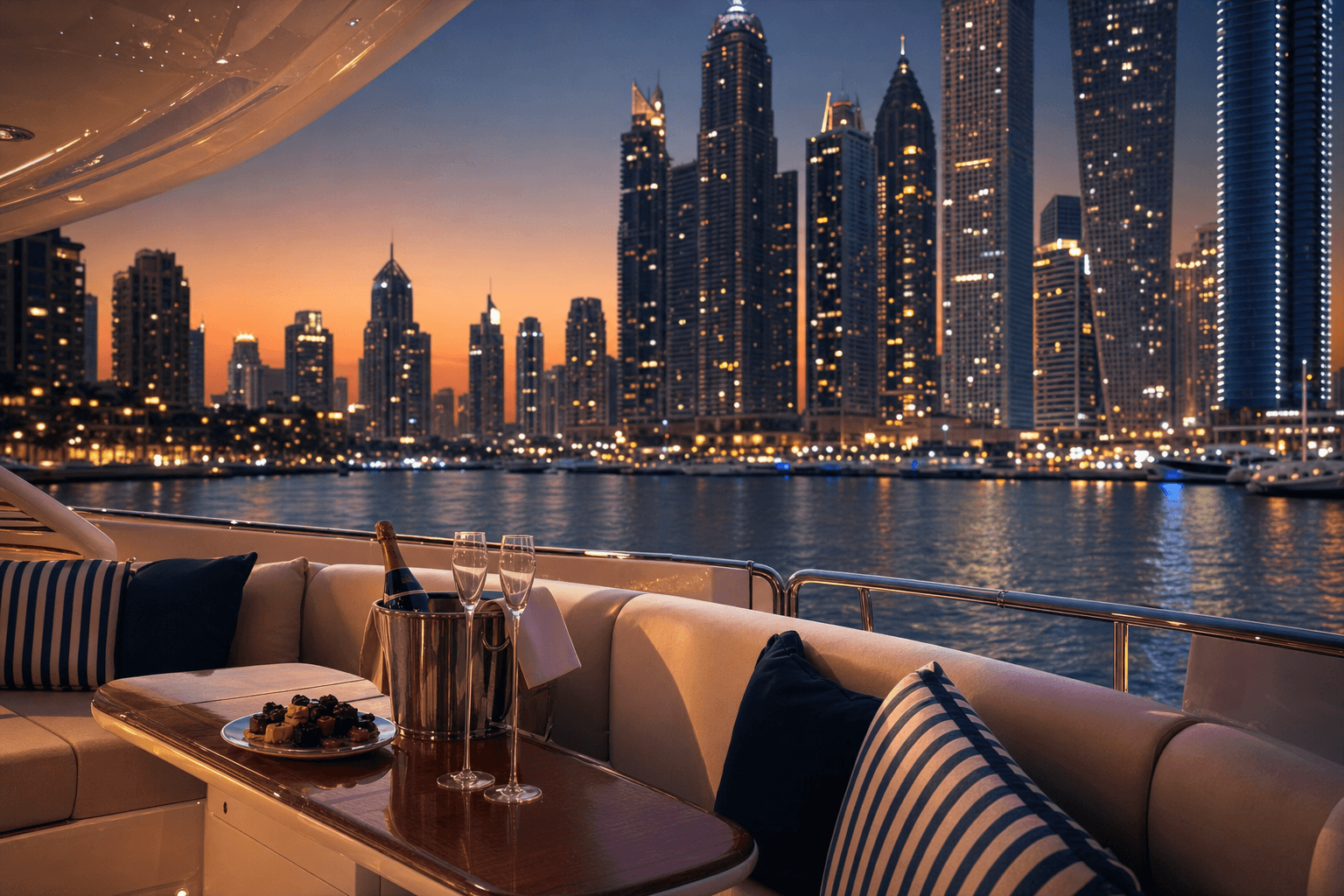
Event Planning
Abu Dhabi Event Venues Guide: Malls, Islands and Destination Locations
A practical guide to hosting events in Abu Dhabi across Yas Island, Saadiyat Island, Al Maryah Island and the capital’s major malls — with venue fit, logistics and planning advice.
Read article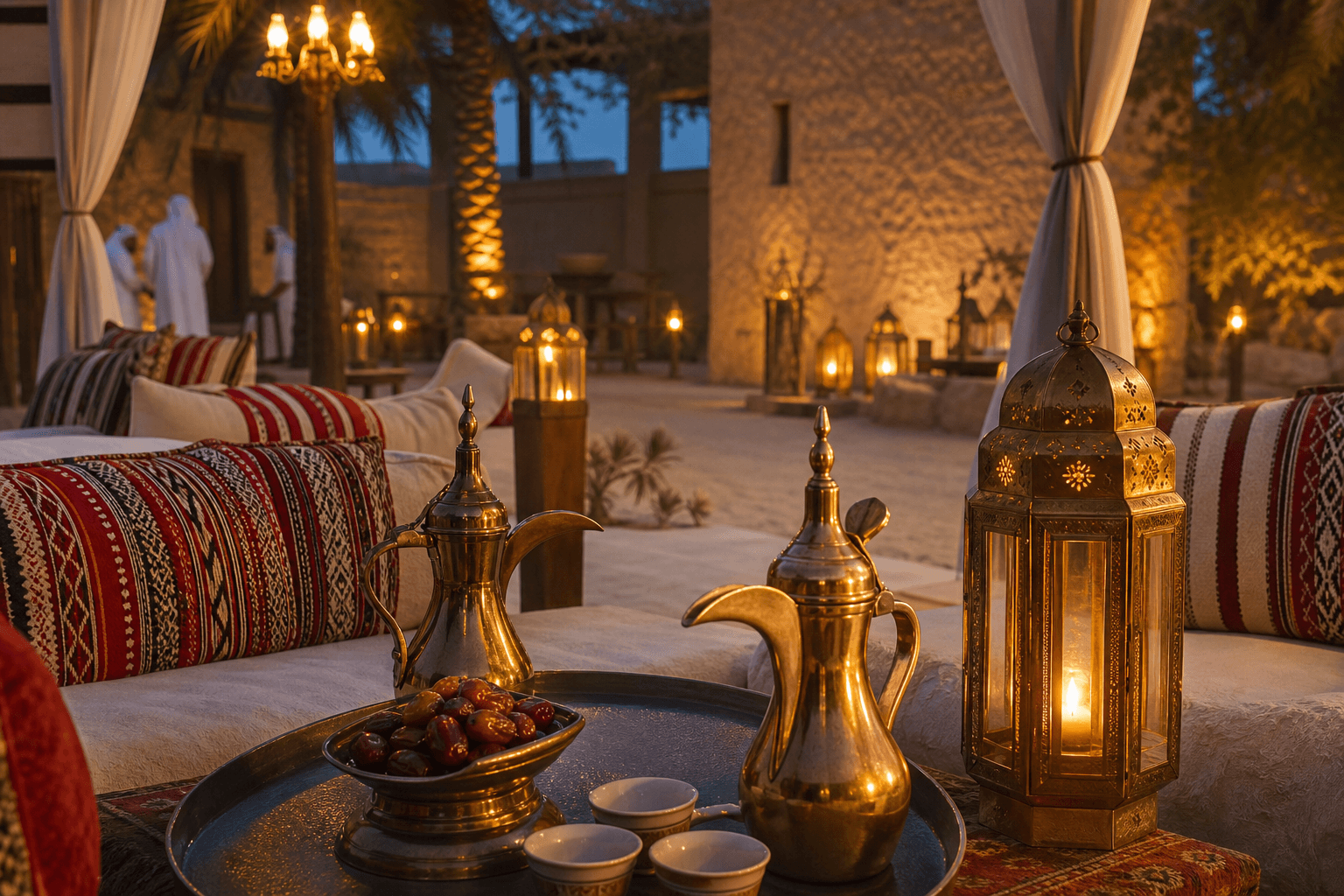
Event Planning
How to Plan a Cultural Emirati Event in Dubai
A practical guide to planning an authentic Emirati event in Dubai, from cultural intent and hospitality to performers, food, permits and guest experience.
Read article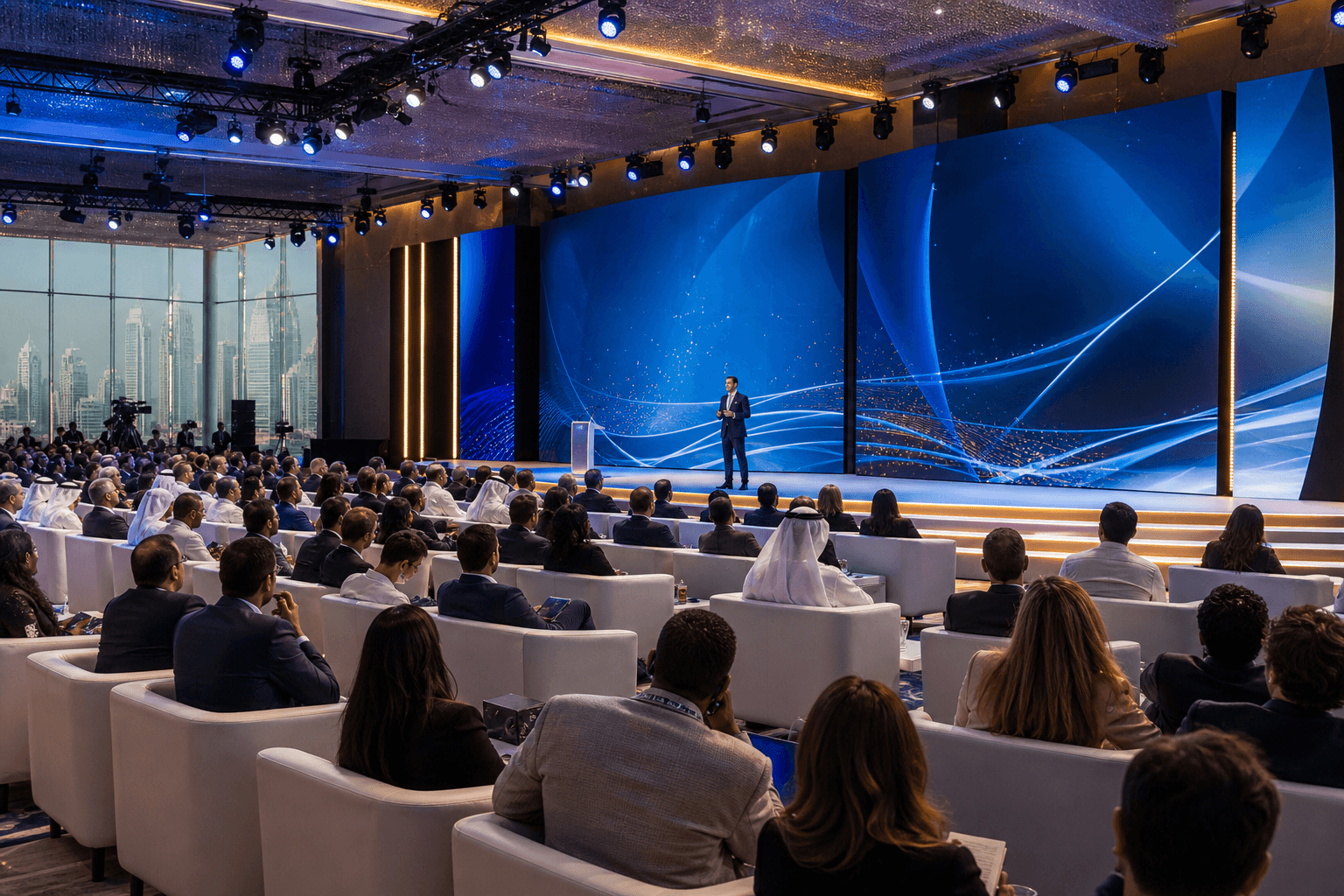
Event Planning
The Complete Guide to Planning a Corporate Event in Dubai
Plan a corporate event in Dubai around a business objective, then align venue, budget, agenda, production and measurement to that single goal.
Read articleLet's Create Together
Planning an event in Dubai or the UAE?
Tell us your vision and our team will craft a tailored proposal. From intimate gatherings to large-scale productions, we bring every idea to life.